Many ecommerce brands believe they have a traffic problem.
When sales slow down, the first reaction is often to invest more in paid advertising, influencer marketing, SEO, or social media. While traffic acquisition is important, it is often not the root cause of poor ecommerce performance.
The reality is that many brands are losing revenue because their website is not optimized to convert the visitors they already have.
This Shopify conversion rate optimization case study demonstrates how a strategic ecommerce website redesign helped Epic Pain Solutions increase orders by more than 2,000% in just 30 days without changing the product itself.
The Ecommerce Conversion Problem
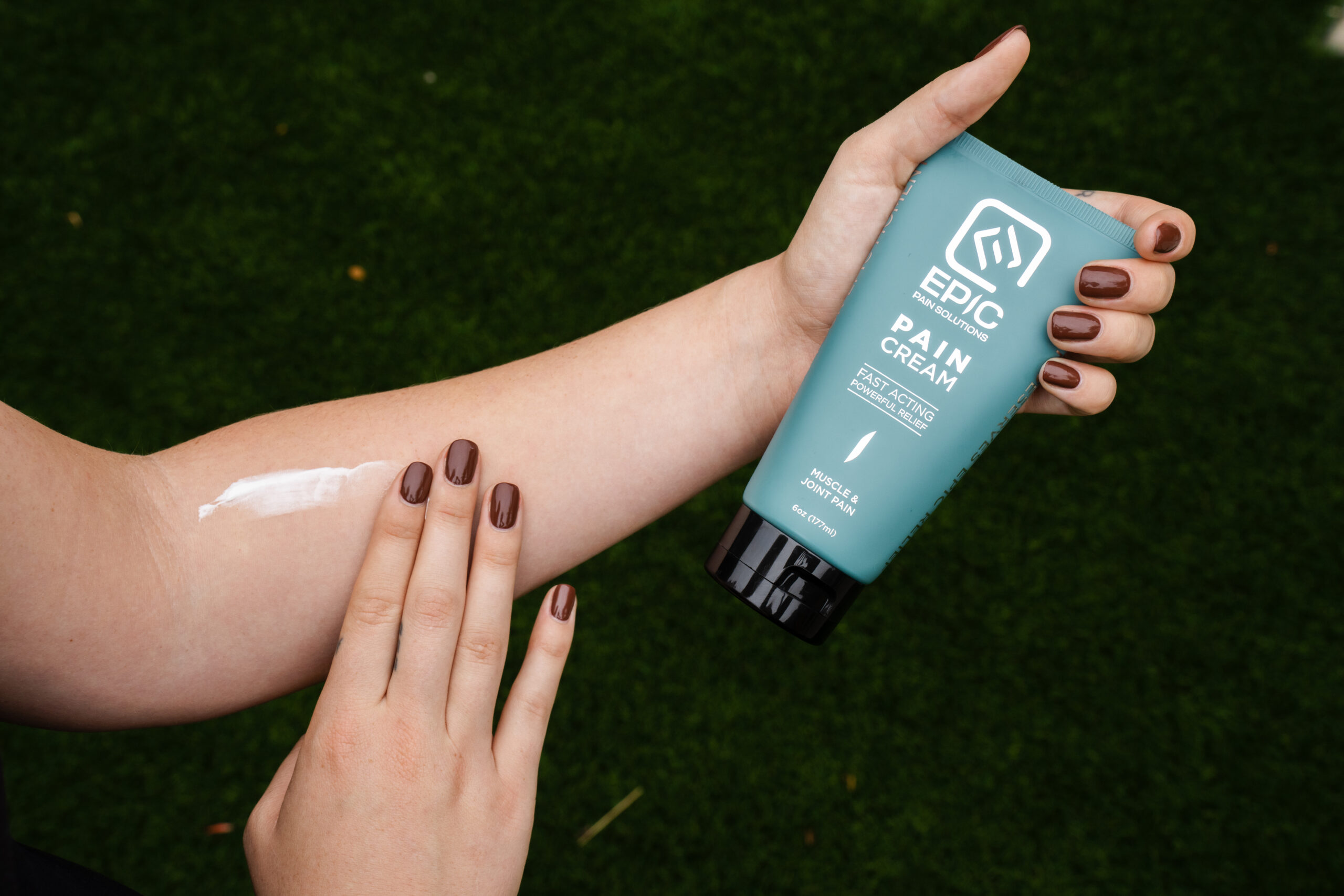
Epic Pain Solutions sells an all-natural pain relief cream designed to provide fast-acting muscle and joint support.
The product had strong customer appeal, but the Shopify website was creating friction throughout the buying journey.
Common conversion issues included:
- Unclear website navigation
- Weak product messaging
- Limited trust-building content
- Poor call-to-action visibility
- High checkout friction
- Product pages that failed to communicate value
Like many ecommerce businesses, the brand was successfully attracting potential customers but struggling to convert them into paying customers.
This is one of the most common challenges we see when conducting ecommerce website audits and CRO evaluations.
Why Conversion Rate Optimization Matters More Than Traffic
One of the biggest misconceptions in ecommerce marketing is that more traffic automatically leads to more sales.
In reality, increasing website traffic to a low-converting website often amplifies existing problems. If visitors do not trust the brand, understand the product, or feel confident purchasing, additional traffic simply means additional lost opportunities.
This is why conversion rate optimization (CRO) remains one of the highest ROI investments available to ecommerce brands. Rather than focusing solely on acquiring new visitors, CRO focuses on improving the percentage of visitors who take action.
For Epic Pain Solutions, the opportunity was clear: improve the customer journey and remove the barriers preventing purchases.
The Shopify CRO Strategy
Our approach combined conversion rate optimization, ecommerce UX design, customer psychology, content strategy, and trust-building elements into a single growth initiative.
Every recommendation was built around one question:
“What is preventing a customer from purchasing right now?”
Ecommerce User Experience Optimization
The first priority was reducing friction.
We redesigned the homepage and product pages to create a more intuitive customer journey while simplifying navigation and improving content hierarchy.
Homepage add-to-cart functionality was added to reduce unnecessary clicks and shorten the path to purchase. Product information was reorganized to improve readability and help visitors quickly find answers to common purchase questions.
Conversion-Focused Copywriting
Many ecommerce websites focus heavily on product features.
Customers care more about outcomes.
We rewrote product descriptions, page content, and key messaging to focus on customer pain points, benefits, and purchasing motivations. This shift helped visitors immediately understand:
- What the product does
- Why it matters
- Who it helps
- Why they should trust it
Trust and Social Proof Optimization
Trust is one of the most important ranking factors in customer decision-making.
We implemented several trust-building elements throughout the website, including:
- Customer reviews
- Enhanced product imagery
- Visual credibility indicators
- User-generated content
- TikTok-style video assets
These additions helped reduce hesitation and create stronger purchase confidence among first-time visitors.
The Results
Within 30 days of launch, the impact was immediate.
The redesigned Shopify store generated:
- 2,000%+ growth in orders placed
- 2,400%+ growth in items ordered
- 100% order fulfillment rate
- Zero returns
Most importantly, these results were achieved without changing the product itself. The growth came from improving how the product was presented, understood, and purchased online.
What This Means for Ecommerce Brands
This project highlights an important reality about ecommerce growth.
Many brands do not need more traffic.
They need better conversion systems.
Before increasing ad spend, launching new campaigns, or investing in additional acquisition channels, businesses should evaluate whether their website is effectively converting existing visitors.
Often, the fastest path to revenue growth is improving conversion rates rather than increasing traffic volume.
CRO, SEO, and AI Visibility Now Work Together
As AI-powered search continues to evolve through platforms like ChatGPT, Google AI Overviews, Gemini, and Perplexity, website quality matters more than ever.
Search engines and AI systems increasingly prioritize websites that provide:
- Clear information architecture
- Strong user experience
- Trust signals
- Helpful content
- Consistent customer engagement
Conversion optimization is no longer just a sales strategy.
It has become part of a broader digital visibility strategy that impacts how brands are discovered, evaluated, and recommended online.
Brands that invest in user experience, customer trust, and authoritative content are positioning themselves for stronger performance across both traditional search and AI-powered search environments.
Final Takeaway
The biggest lesson from this ecommerce case study is simple:
The product wasn’t the problem. The customer journey was.
By combining Shopify conversion rate optimization, ecommerce website redesign, trust-building content, and strategic user experience improvements, Epic Pain Solutions transformed a low-performing website into a revenue-generating sales asset.
For ecommerce brands looking to improve conversion rates, increase online sales, and strengthen visibility across both search engines and AI platforms, the opportunity often starts with optimizing the experience customers already have.
Connect with us for more information and a complimentary audit.